VCC
SharkNinja · Consumer Electronics

Hybrid AI-first production for multi-regional content

72% Faster production cycles
60% Cost reduction per region
3x Regional output increase
The challenge

SharkNinja had a content problem that most consumer electronics brands will recognise: they needed high volumes of product and lifestyle imagery across multiple regions - UK, EU, and Middle East - and the traditional production model was too slow, too expensive, and too rigid to keep up with their launch cadence. Every new product required a full shoot cycle. Every regional variant needed its own set of assets. And when NPD moved faster than the content team could keep up with, they were launching products with placeholder visuals or repurposed US assets that didn't land with local audiences.

The volume wasn't the only issue. SharkNinja also needed to test off-market colour variants and promotional configurations before committing to physical production - which meant creating assets for products that didn't physically exist yet.

The approach

We designed a hybrid production pipeline that combined virtual production with AI-generated datasets. The virtual production side handled digital-twinned background environments - consistent, reusable, and infinitely adjustable without rebooking studios or locations. The AI side created product and lifestyle datasets across categories, tailored to each regional market.

For NPD, we built AI datasets that could generate imagery for colour variants and promotional configurations that hadn't been manufactured. This gave the product team a visual prototyping tool that sat inside the content pipeline rather than outside it. We also ran an Amazon A+ content analysis across their consumer goods categories to identify where AI-generated content could outperform their existing assets on conversion metrics.

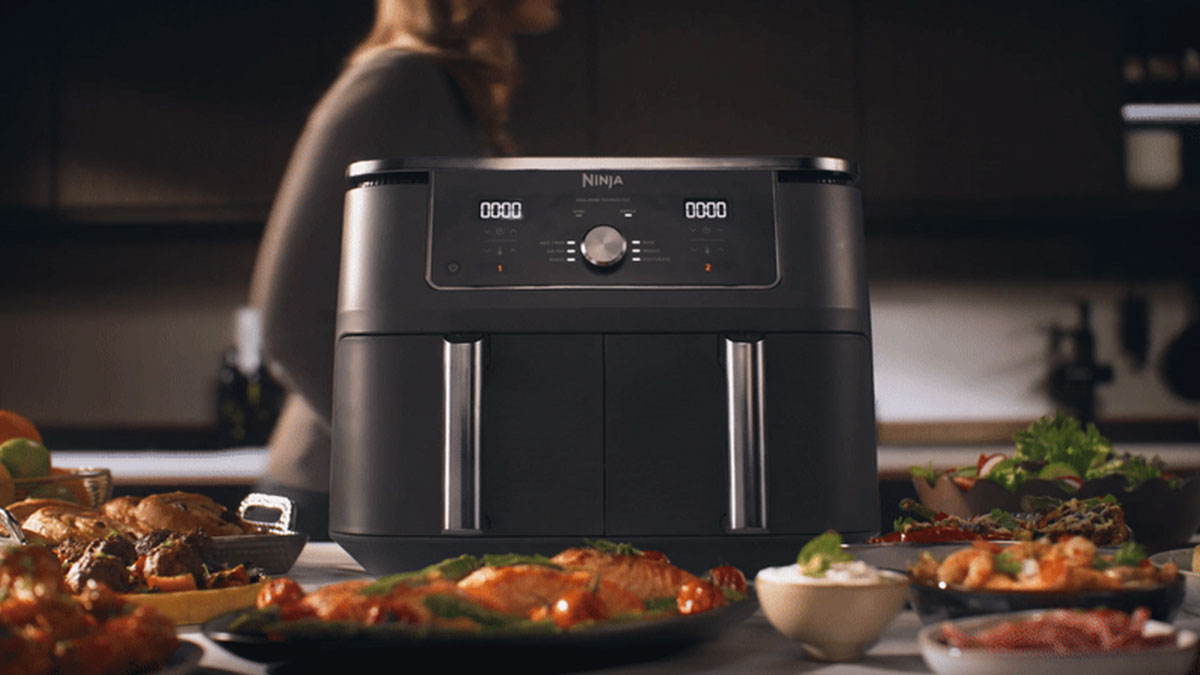
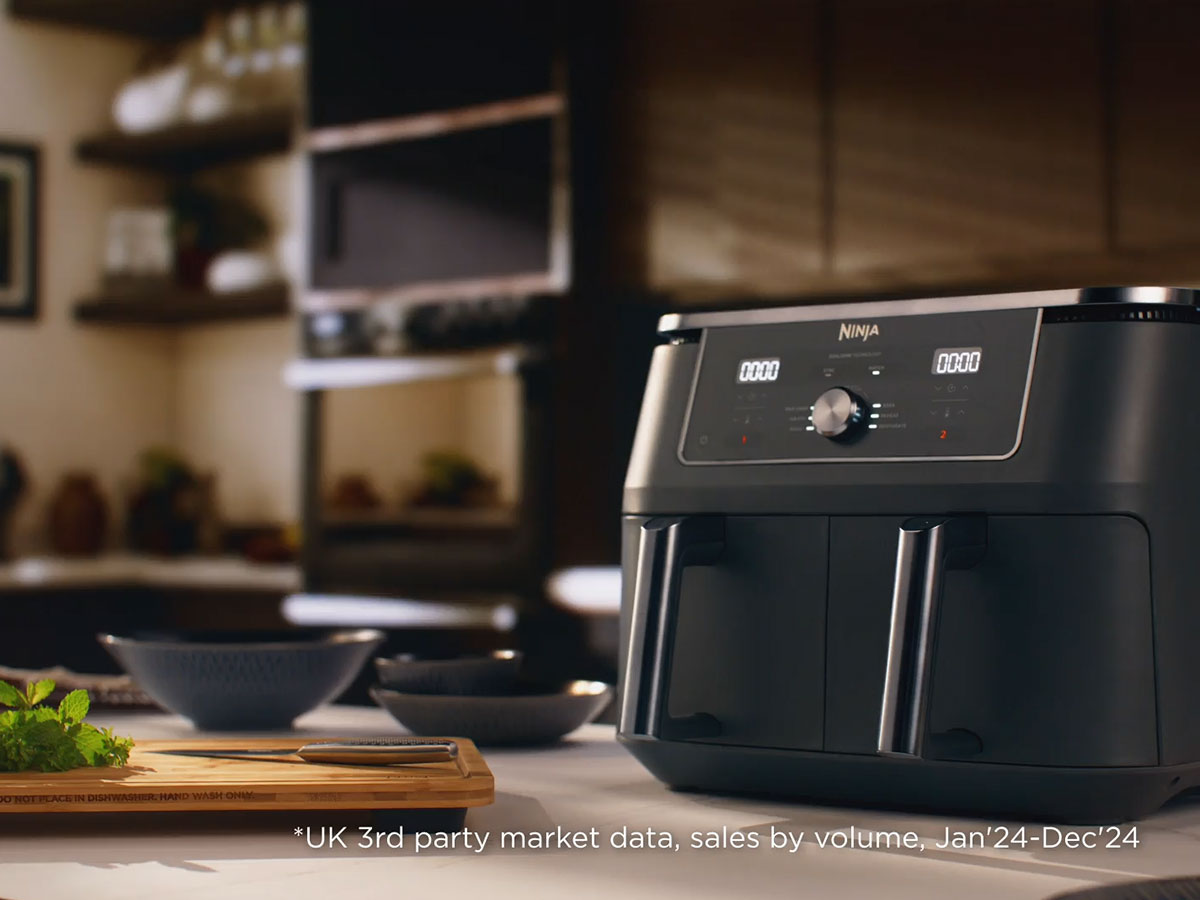
SharkNinja - project imagery
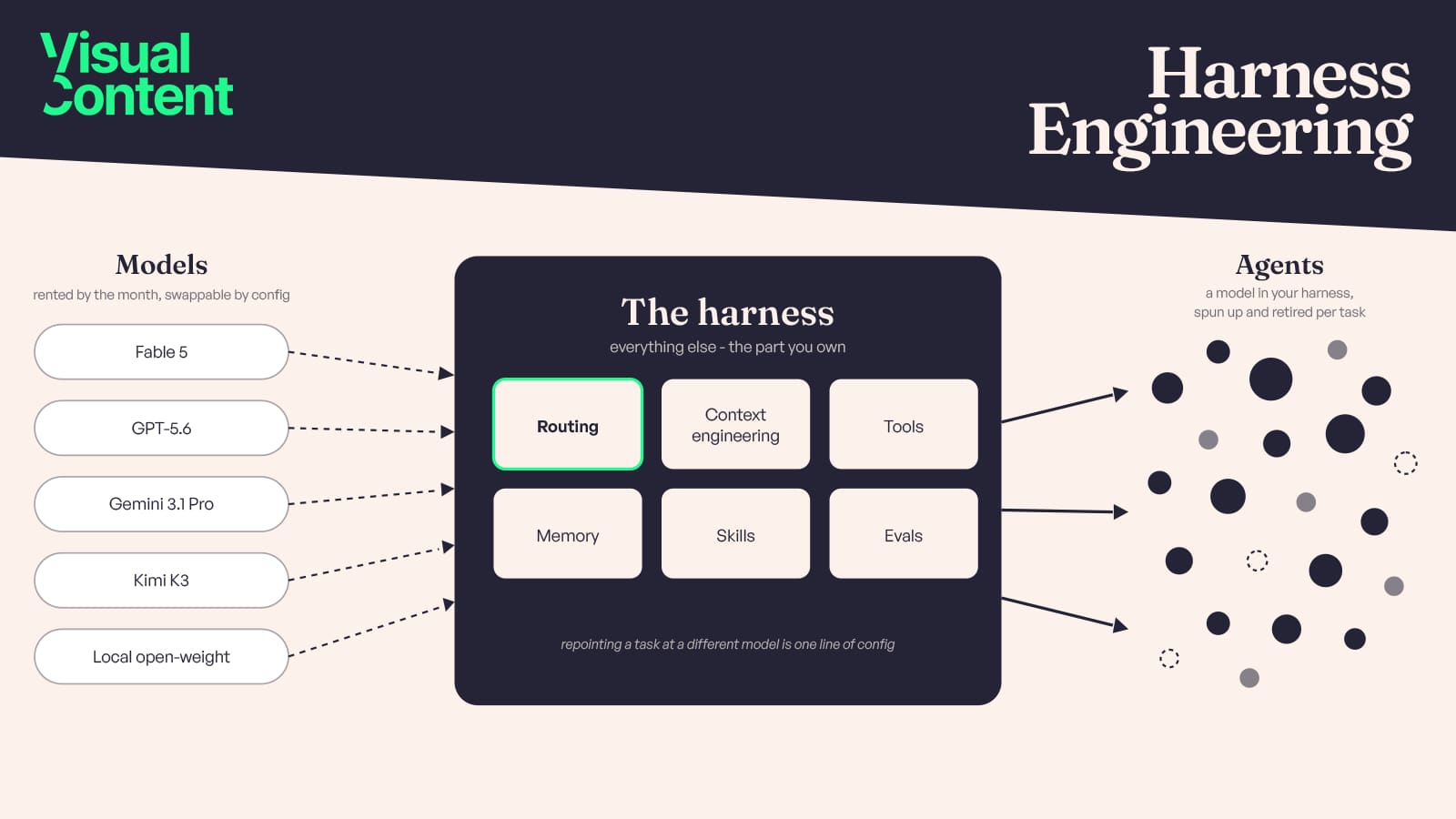
Digital-twinenvironmentsAI productdatasetsHybridpipelineRegionalvariantsUnmade NPDpreviews
Two rails, one system: digital-twinned environments and AI datasets merge, so regional content and previews of unbuilt products come from the same pipeline.

This engagement is a good example of what happens when you stop treating AI as an add-on and start treating it as infrastructure. SharkNinja didn’t need a one-off AI experiment - they needed a fundamentally different production model that could scale with their product roadmap and regional ambitions.

The hybrid approach worked because it wasn’t either/or. Virtual production gave us the environmental consistency and repeatability that traditional shoots can’t match at this cadence. AI datasets gave us the product flexibility - including the ability to visualise products that don’t exist yet. Together, they created a pipeline where adding a new region or a new product variant became an operational task, not a production project.

What we find most interesting about this work is the NPD application. Most brands treat content production as something that happens after product development. Here, we made it part of the product development process itself. When you can generate realistic imagery of a colour variant before it goes to manufacturing, content stops being a downstream cost and starts being an upstream decision-making tool.
What it delivered

Multi-regional content pipeline consolidated into a single hybrid workflow

NPD visual prototyping integrated directly into the content production process

Off-market colour variants and promotional assets generated without physical samples

Amazon A+ content analysis identified conversion improvement opportunities across categories

Production timelines compressed from months to weeks per regional launch

Deliverables

Virtual production digital-twinned background asset library

AI dataset creation across product and lifestyle categories (UK, EU, ME)

NPD AI datasets for off-market colour variants and promotional activity

Amazon A+ content analysis and optimisation recommendations

Next case All work

Bathroom retailer

Eight times the catalogue coverage on the same content budget