AI-augmented content pipelines for a startup skincare brand
80%Cost vs traditional production
5xOutput at startup budget
50KAnnual investment (GBP)
The challenge
Omaly Skincare is a startup in the premium beauty space, which creates an immediate tension: the content expectations of the category are set by brands with production budgets that dwarf what a startup can afford. Consumers scrolling Instagram or browsing a DTC site don't adjust their quality expectations because you're a smaller brand. If your content looks like a startup, you get treated like a startup - regardless of how good the product actually is.
Omaly needed a content operation that could produce across every channel and format - product imagery, video, 3D visualisation, AR experiences, sonic branding - at a quality level that sits alongside established competitors, on a budget that traditional production across those formats would exhaust in a quarter.
The approach
The operation runs on AI-augmented pipelines, designed in from the start rather than retrofitted onto a traditional production model. And it begins upstream of production: AI analysis of content demand and audience demographics - what the category expects, what each channel rewards, who the brand is actually speaking to - shapes the content plan before anything gets made. That analysis layer is what keeps a lean operation pointed at the work that earns its keep.
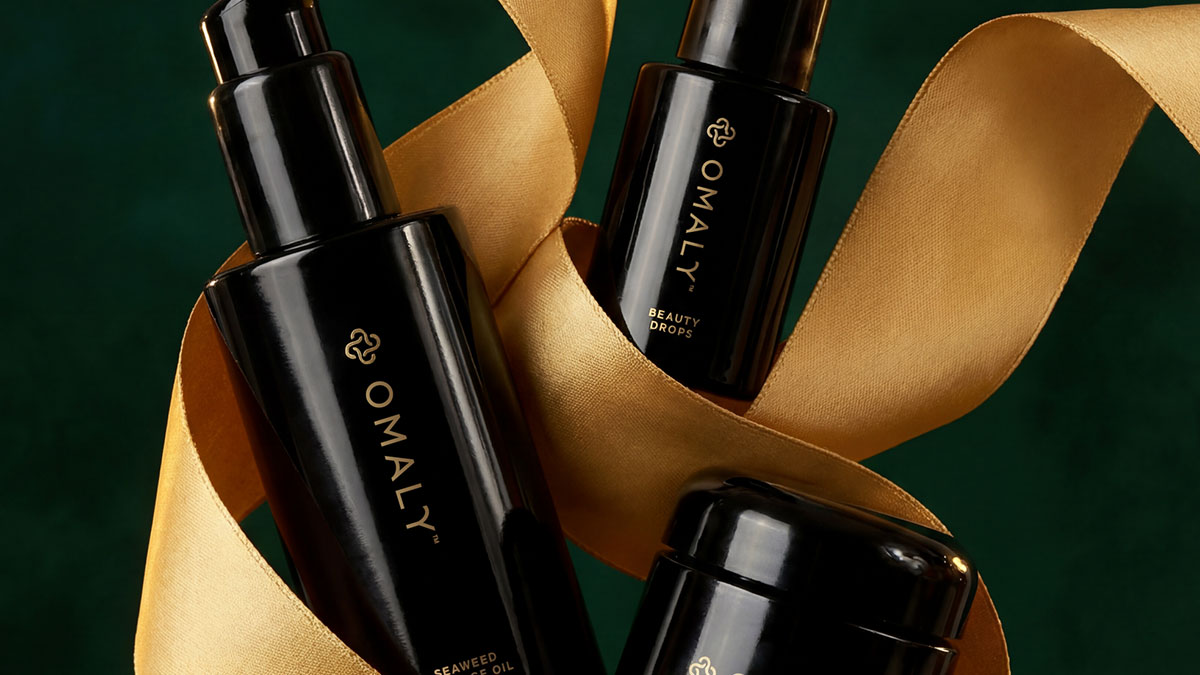
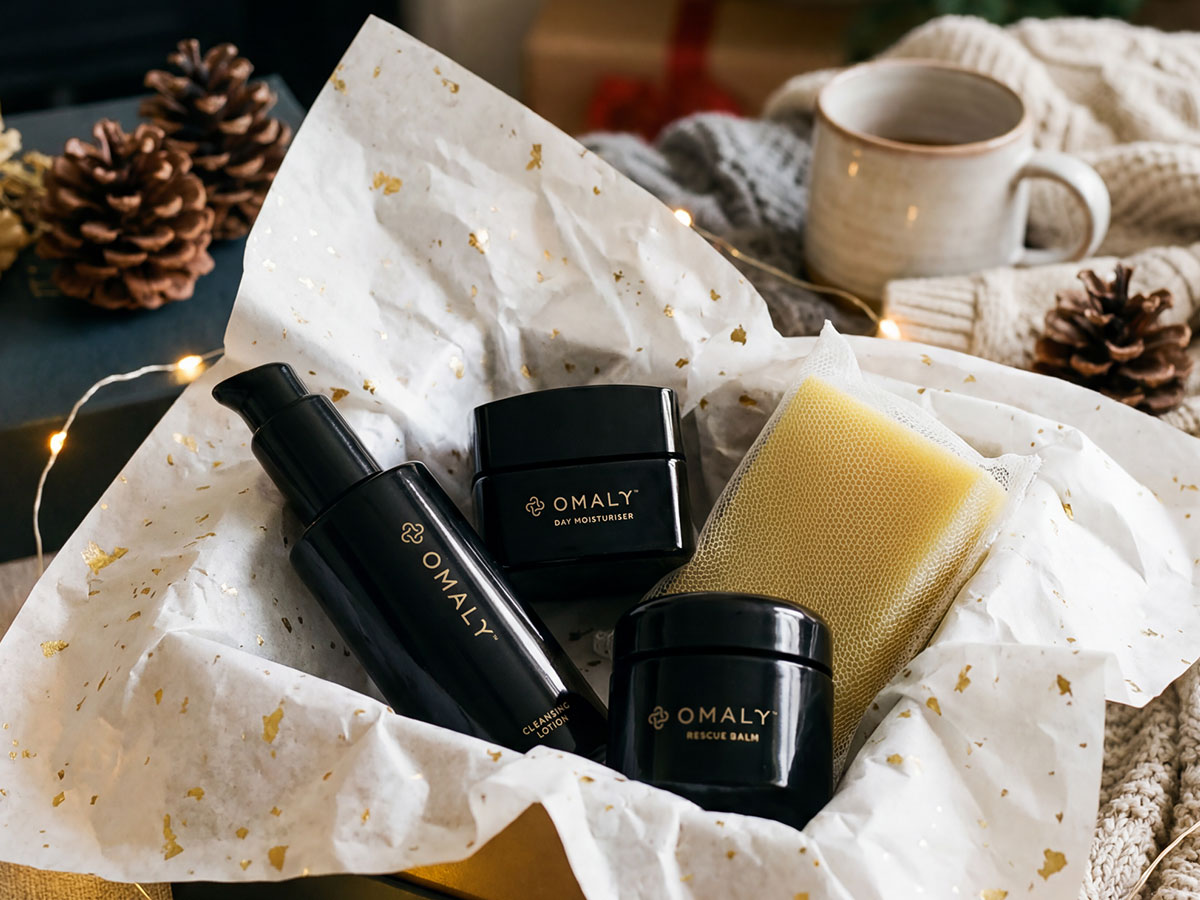
Production then runs through pipelines built for each format the brand needs: product and lifestyle imagery, video, 3D visualisation, AR try-on experiences, and sonic assets. Brand-consistent visual datasets keep the output coherent across all of them, and human direction holds the bar where the category sets it - textures, lighting, product presentation. The result is a £50K per annum engagement delivering content quality and volume that would traditionally require five to ten times that investment.
The analysis does the aiming and the pipelines do the delivering - brand datasets keep every format coherent.
Omaly is the engagement we point people to when they ask what quality-first content at startup scale actually looks like. The premium beauty category sets a genuinely high bar - the textures, the lighting, the model work, the product presentation. Skincare content that looks synthetic or underfunded doesn’t just fail to convert; it damages brand perception. So the brief was never “produce content with AI.” It was: produce content that sits alongside the established players, and build the operation so a startup can sustain it.
The answer has two layers. The visible one is AI-augmented production - pipelines for imagery, video, 3D, AR, and sonic assets, held to the category’s standard by human direction and brand-trained datasets. The quieter layer matters just as much: AI analysis of content demand and audience demographics decides what gets made in the first place. A lean content operation can’t afford to produce speculatively, so the analysis does the aiming and the pipelines do the delivering.
What we find most satisfying about this project is the trade-off it removes. Traditionally, a startup in premium beauty had to choose between spending beyond its means on content or accepting a visual identity that signals “we’re small and underfunded.” Omaly’s content sits alongside brands with ten times the production budget, and the engagement cost is sustainable at startup revenue levels. That’s what compression economics means in practice - not just doing the same things cheaper, but making previously impossible things viable.
What it delivered
Multi-format content operation delivering quality content from the outset
Market-competitive content quality at a fraction of traditional production costs
AI analysis of content demand and audience demographics steering the content plan
Brand-consistent visual datasets enabling scalable model and product imagery
Full-spectrum asset production: imagery, video, 3D, AR, and sonic