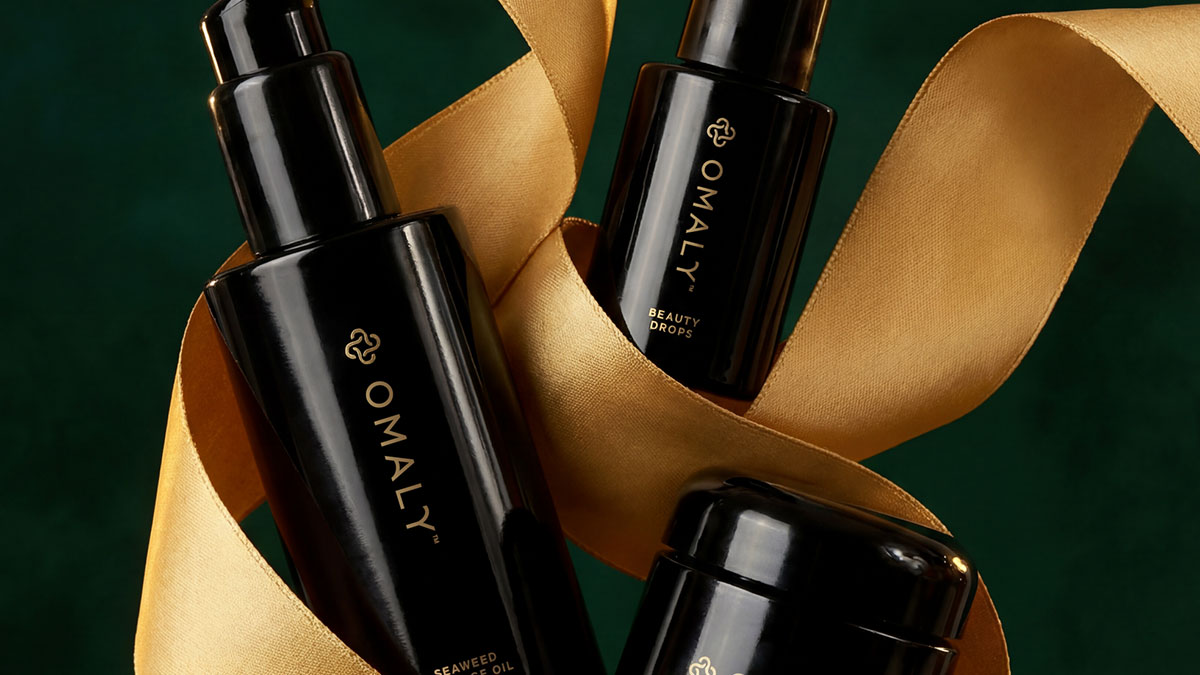
AI-first content ecosystem for a startup brand
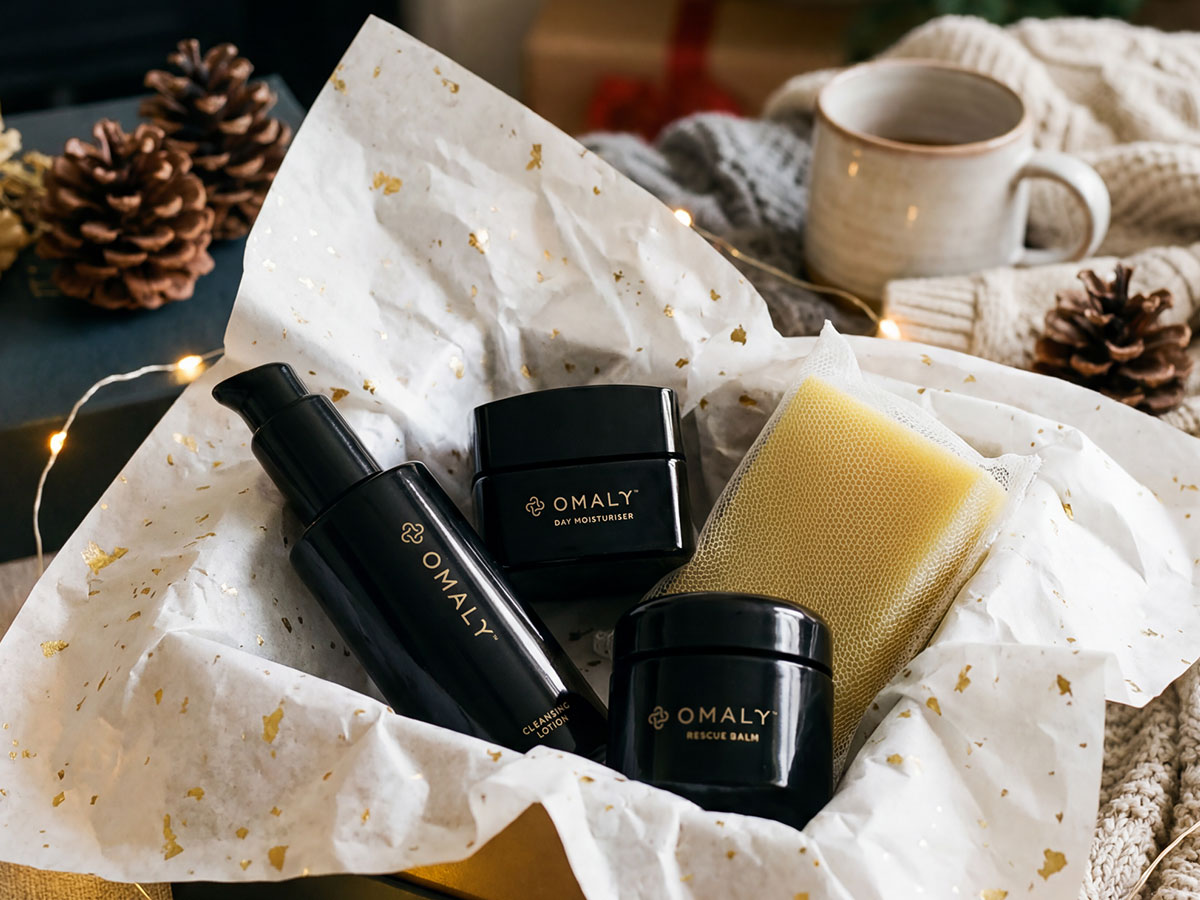
Built a complete AI-first content ecosystem for Omaly Skincare — imagery, video, 3D, AR, and sonic assets — delivering market-leading content quality at a startup budget of £50K per annum.
The challenge
What they needed
Omaly Skincare is a startup in the premium beauty space, which creates an immediate tension: the content expectations of the category are set by brands with production budgets that dwarf what a startup can afford. Consumers scrolling Instagram or browsing a DTC site don't adjust their quality expectations because you're a smaller brand. If your content looks like a startup, you get treated like a startup — regardless of how good the product actually is. Omaly needed a content operation that could produce across every channel and format — product imagery, video, 3D visualisation, AR experiences, sonic branding — at a quality level that sits alongside established competitors. The budget didn't allow for traditional production across all of those formats. Not even close.
£50K per annum engagement
The approach
How I tackled it
I designed an AI-first content ecosystem from the ground up. Rather than retrofitting AI into a traditional production model, the entire pipeline was built around AI as the primary production engine from day one. This started with creating AI datasets for model imagery using both trained models and reasoning-capable open-source systems, giving Omaly a library of brand-consistent visual assets that could be expanded, iterated, and evolved without booking studios or talent. From that foundation, I built pipelines for every format the brand needed: product and lifestyle imagery, video content, 3D product visualisations, AR try-on experiences, and sonic brand assets. Each pipeline is designed to run lean — the operational overhead is minimal because the production model was architected for efficiency from the start, not bolted on after the fact. The result is a £50K per annum engagement that delivers content quality and volume that would traditionally require five to ten times that investment.
Results
By the numbers
Cost vs traditional production
Output at startup budget
Annual investment (GBP)
What was delivered
Outcomes
Omaly is the engagement I point people to when they ask what AI-first content production actually looks like in practice. It’s not a case of “we did some AI experiments alongside our normal production.” The entire content operation is built on AI from the ground up. Every format, every channel, every asset type runs through an AI-native pipeline. That’s why the economics work at startup scale.
The beauty category is a good proving ground for this approach because the quality bar is genuinely high. Skincare content needs to look premium — the textures, the lighting, the model work, the product presentation. If AI-generated content looks synthetic or uncanny, it doesn’t just fail to convert — it actively damages brand perception. The datasets I built for Omaly are trained to the quality standard the category demands, not a generic “good enough for social” benchmark.
What I find most satisfying about this project is the democratisation argument it represents. Traditionally, a startup in premium beauty would need to choose between spending beyond its means on content or accepting a visual identity that signals “we’re small and underfunded.” AI-first production removes that trade-off. Omaly’s content sits alongside brands with ten times the production budget, and the ongoing engagement cost is sustainable at startup revenue levels. That’s what compression economics means in practice — not just doing the same things cheaper, but making previously impossible things viable.
- → Complete multi-format content ecosystem built from scratch on AI-first principles
- → Market-competitive content quality achieved at a fraction of traditional production costs
- → AI datasets enabling consistent, scalable model and product imagery
- → Full-spectrum asset production: imagery, video, 3D, AR, and sonic
- → £50K per annum engagement delivering output equivalent to £250K+ traditional production
Related thinking
From the journal
Is Google's Nano Banana 2 Dropping This Week?
19 November 2025

Unilever Scales Their AI Content Factory with IPG - So What Does Product Photography Look Like in the Future?
12 September 2025
Nano-Banana - Google's New Mystery Model: Why All the Content You're Seeing Is 'Like That'
27 August 2025
Facing a similar challenge?
Every engagement starts with understanding where you are and where you want to be. No pitch deck required.