Beyond the LED volume hype
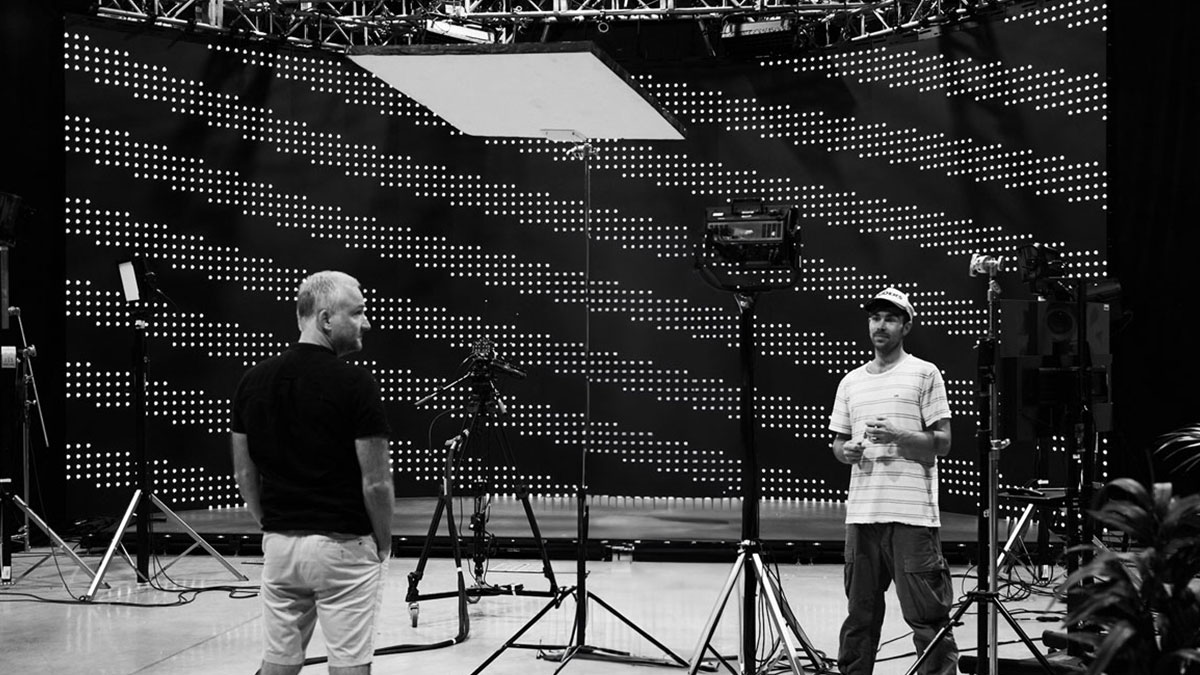
I’ve been working in and around virtual production for years - through my role at Tungsten Media and across client work with brands like SharkNinja. So I’ve watched the VP conversation evolve from excitement about LED volumes to something more nuanced and more interesting.
The initial wave of virtual production was dominated by one idea: replace location shoots with LED walls running Unreal Engine environments. The Mandalorian made it famous. Everyone wanted a piece of it.
But that was always just the entry point. Where VP is heading now is fundamentally different - and commercially, far more significant.
The three shifts that matter
1. AI integration into the pipeline
This is the biggest change. Virtual production workflows are absorbing AI at every stage:
Pre-production: AI-driven environment generation is compressing what used to be weeks of 3D asset creation into hours. Tools like the latest iterations of Unreal Engine’s procedural generation, combined with AI texture and lighting tools, mean you can concept and build virtual environments at a fraction of the previous cost and timeline.
On set: Real-time AI is handling camera tracking adjustments, lighting matching, and compositing corrections that previously required extensive post-production. The gap between what you see on the LED wall and what ends up in the final edit is narrowing dramatically.
Post-production: AI-powered colour grading, object removal, and scene extension tools are reducing post timelines significantly. Work that took a VFX team days now takes hours.
The net effect is compression across the entire production pipeline. A virtual production shoot that might have taken two weeks from concept to delivery eighteen months ago can now be done in five or six days.
2. Digital twins and persistent environments
This is where VP gets genuinely strategic for brands and enterprises. Instead of building a virtual environment for a single shoot, businesses are investing in persistent digital twins - environments that exist permanently and can be used repeatedly.
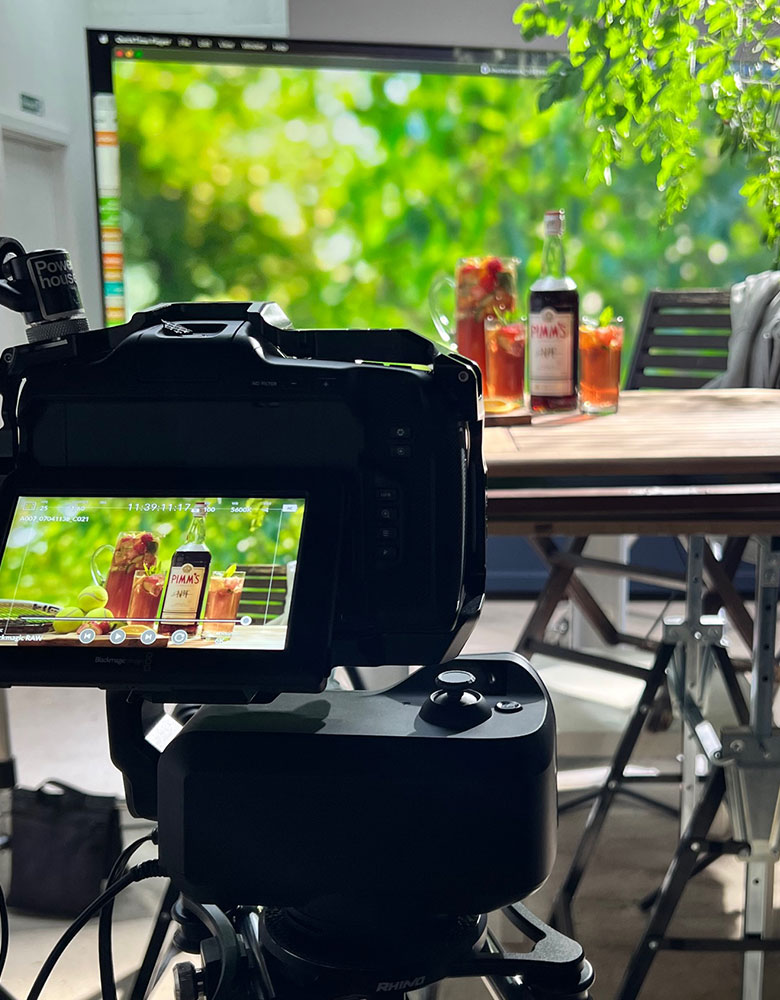
I’ve seen this work brilliantly for product-heavy brands. Build your hero environment once. Use it for product launches, seasonal campaigns, social content, and corporate comms. Update the lighting, swap the props, change the season - but keep the fundamental environment consistent.
The economics are compelling. The upfront investment in building a digital twin is higher than a single shoot setup. But amortised across a year’s worth of content? It’s significantly cheaper than repeated location work or rebuilding virtual environments from scratch each time.
For enterprises running global campaigns, this approach also solves the consistency problem. Every market gets content shot in the same environment, with the same quality standard, regardless of where the physical production happens.
3. Hybrid workflows
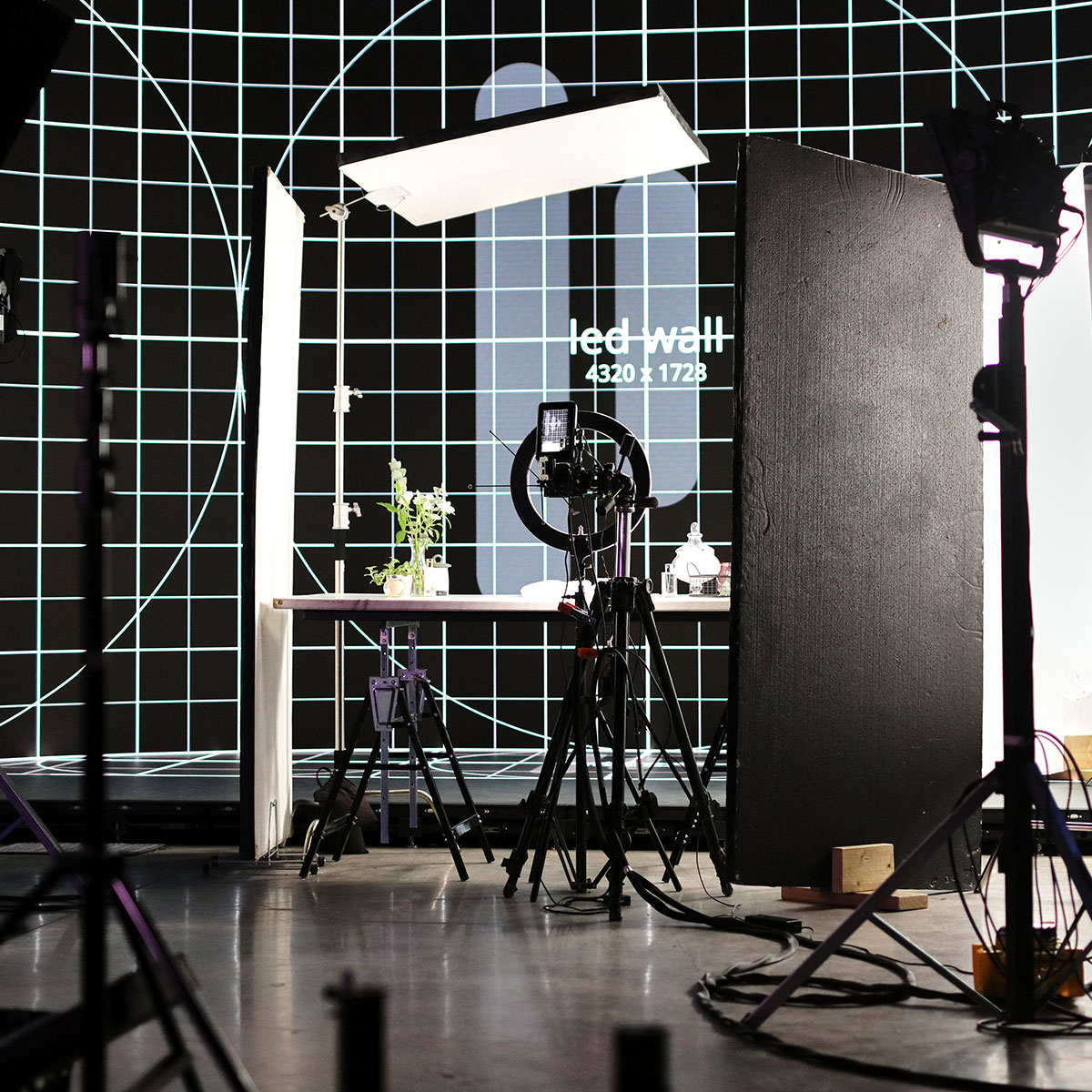
The industry has moved past the binary of “virtual production OR traditional shoot.” The smart operators are running hybrid workflows that combine elements of both.
A typical hybrid approach might look like this:
- Hero content shot in a virtual production environment for maximum control and visual quality
- Behind-the-scenes and documentary content shot traditionally for authenticity
- Social and short-form content produced using a mix of VP assets, AI generation, and lightweight traditional capture
- Product shots using a combination of physical product photography and digitally rendered environments
This hybrid model gives you the best of both worlds: the control and scalability of virtual production where it matters, and the authenticity and cost-efficiency of traditional methods where it doesn’t.
What’s commercially viable now
Let me be direct about where the line sits between what you can do today and what’s still in development.
Commercially viable right now:
- LED volume shoots for brand and product content (mid-to-large budgets)
- AI-assisted environment creation and modification
- Digital twin environments for brands with ongoing content needs
- Hybrid VP/traditional workflows
- Real-time compositing for live events and broadcasts
- AI-enhanced post-production pipelines
Emerging but not yet reliable for commercial work:
- Fully AI-generated photorealistic video at broadcast quality
- Real-time AI actor replacement or de-aging at production standard
- Autonomous virtual production (AI directing camera moves, lighting, etc.)
- Real-time neural rendering at scale
The gap between these two categories is closing fast. Things that were firmly in the R&D column a year ago are now approaching commercial viability. But I’d still advise against betting a production budget on technology that hasn’t proven itself in a commercial context.
What this means for agencies and enterprises
If you’re an agency or enterprise considering virtual production, here’s my practical advice:
Don’t buy infrastructure - buy access. Unless you’re running VP shoots weekly, it doesn’t make financial sense to build your own facility. Rental access to VP studios is increasingly available and cost-effective. Invest in understanding the workflow instead.
Think in terms of asset libraries, not individual shoots. The real ROI from virtual production comes from reusability. Commission environments, digital assets, and templates that serve multiple projects across the year.
Integrate AI from the start. Don’t bolt AI onto a traditional VP workflow. Design your pipeline with AI tools embedded from pre-production through to delivery. The compression gains are only available if the tools are integrated, not added as afterthoughts.
Budget for the learning curve. Your first VP project will take longer and cost more than it should. That’s normal. The efficiencies compound from the second project onwards. Factor that into your planning.
The trajectory is clear
Virtual production is evolving from a specialist technique into a standard part of the production toolkit. The combination of falling costs, AI integration, and hybrid workflows means it’s accessible to a much broader range of businesses than it was even two years ago.
The companies that invest in understanding these workflows now will have a significant production advantage. Those that wait will be playing catch-up in a market that’s already moved on.
I’ve seen this pattern before in digital production. The early movers don’t just save money - they produce better work, faster, with more creative freedom. That’s where VP is heading. And it’s heading there quickly.