Amazon has released its AI image generation tools for product listings, and I think most brands are underestimating what this actually means.
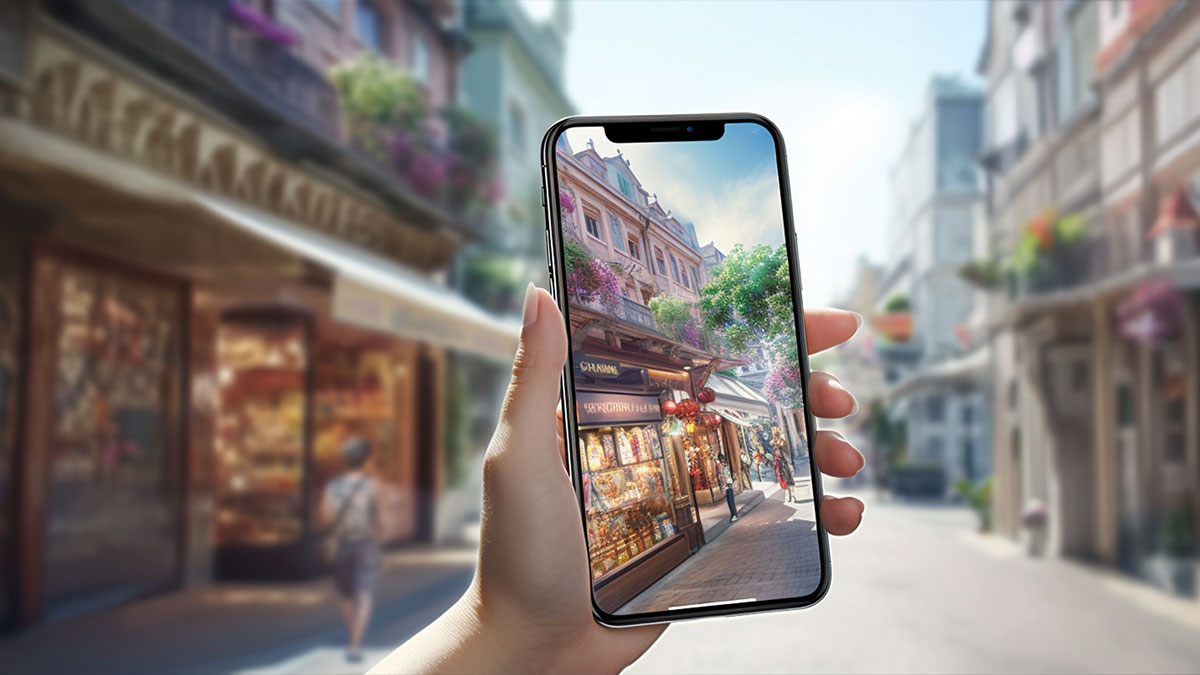
On the surface, it’s straightforward. Sellers can now generate lifestyle imagery for their products directly within Amazon’s advertising platform. Upload a product image, describe the scene you want, and the system generates contextual lifestyle shots. No studio. No photographer. No three-week turnaround.
But here’s the bit that matters: this isn’t a startup launching a niche tool. This is the world’s largest e-commerce platform building AI image generation directly into its advertising infrastructure. That’s a fundamentally different proposition.
The production cost reality
I’ve worked with e-commerce brands - SharkNinja, Kroger - on exactly this problem. The traditional content production model for product imagery is brutal on budgets. A single product SKU might need hero shots, lifestyle images, seasonal variants, A/B test assets, and regional adaptations. Multiply that across a catalogue of hundreds or thousands of SKUs, and you’re looking at production costs that make finance directors very uncomfortable.
The numbers I’ve seen across multiple clients: a traditional product lifestyle shoot runs anywhere from a few hundred to several thousand pounds per image, depending on complexity. Factor in studio hire, styling, post-production, and the coordination overhead, and a full seasonal refresh across a decent-sized catalogue can easily run into six figures.
Amazon’s tool compresses that cost curve to near-zero for a specific category of imagery. Not all imagery - but the lifestyle and contextual assets that make up a significant proportion of e-commerce content.

Platform-native vs third-party
There’s an interesting strategic question here about whether brands should use platform-native AI tools or build their own pipelines with third-party solutions.
I’ve got a clear view on this. If you’re a small seller whose primary channel is Amazon, native tools are hard to argue against. Low friction, no additional cost, and they’re optimised for Amazon’s own display formats and conversion patterns. The platform knows what performs on its own marketplace better than anyone.
But if you’re a multi-channel brand selling across Amazon, your own DTC site, and other marketplaces, you need to think carefully. Platform-native tools create platform dependency. The imagery you generate in Amazon’s system is optimised for Amazon. It won’t necessarily translate to your Shopify store, your social content, or your wholesale materials.
For brands at scale, I’d recommend building a third-party AI content pipeline that feeds multiple channels - including Amazon - with consistent brand-governed output. You lose some of the native convenience, but you gain control and consistency across your entire ecosystem.

What this changes structurally
The real story here isn’t about one platform adding one feature. It’s about the structural economics of e-commerce content.
When the marginal cost of producing a product lifestyle image approaches zero, the constraint shifts. It stops being about production capacity and starts being about creative direction. The brands that win won’t be the ones generating the most images - they’ll be the ones with the clearest creative frameworks governing what gets generated and why.
I’ve seen this pattern play out before. When desktop publishing tools collapsed the cost of print production, the initial response was an explosion of terrible brochures. The quality eventually caught up, but only for organisations that invested in creative governance alongside production capability.
The same thing is about to happen with AI-generated e-commerce content. The tools are getting good enough that the quality floor is rising fast. Amazon’s implementation is already producing contextual lifestyle imagery that’s genuinely usable - not perfect, but usable. Give it eighteen months, and the quality gap between AI-generated and traditionally shot lifestyle imagery will be negligible for most e-commerce applications.
What brands should do now
Here’s what I’d recommend for any e-commerce brand watching this space.
Test the native tools immediately. Don’t wait for them to be perfect. Generate imagery, run it as A/B tests against your existing assets, and measure conversion impact. The data will tell you more than any opinion piece - including this one.
Invest in creative governance. If your brand guidelines don’t cover AI-generated imagery, fix that now. Define what’s acceptable, what’s not, and who makes the call. This is a creative direction problem, not a technology problem.
Map your catalogue for AI readiness. Not every product category is equally suited to AI-generated imagery. Products with complex textures, specific regulatory requirements, or premium positioning might still need traditional photography. But the commodity end of your catalogue? That’s where AI generation pays for itself immediately.
Think about the team structure. When production cost drops by 90%, you don’t need the same team shape. You need fewer producers and more creative directors. Fewer retouchers and more brand strategists. The skills that matter are shifting upstream.
The economics of e-commerce content just changed. The brands that adapt their production models now will have a significant cost advantage by this time next year. The ones that wait will be catching up.